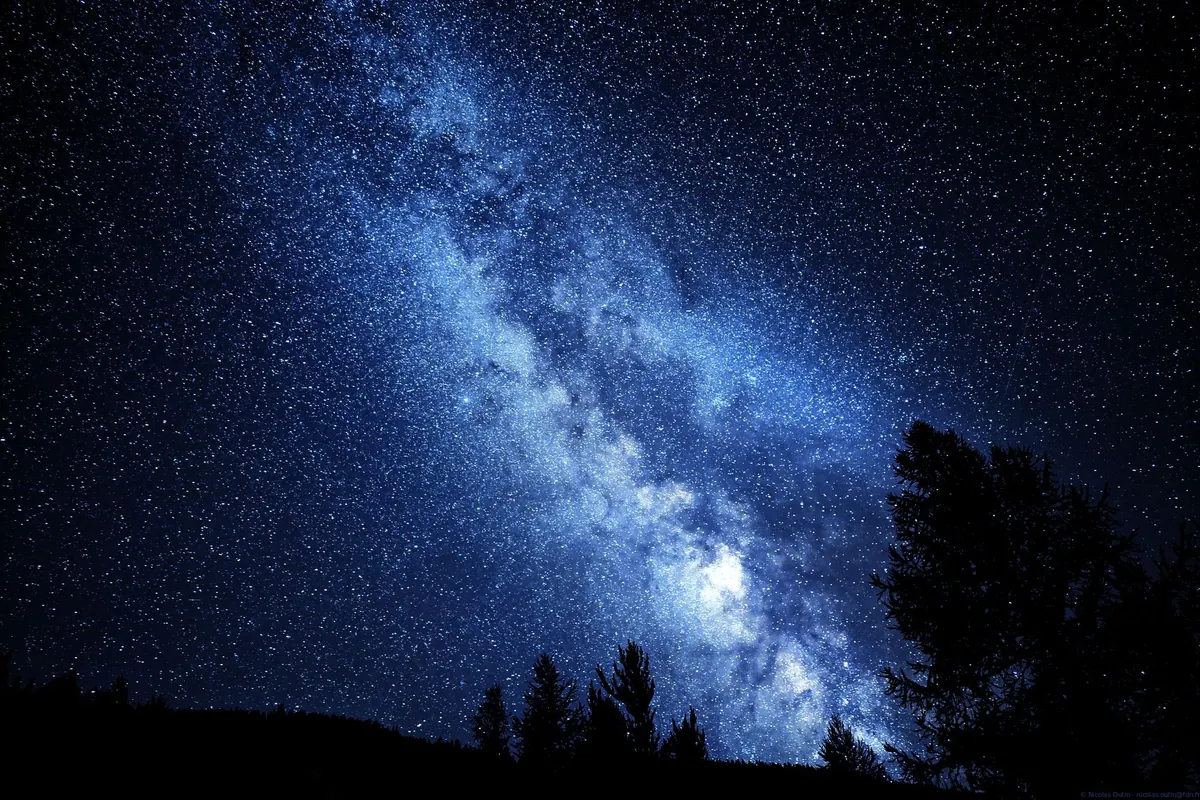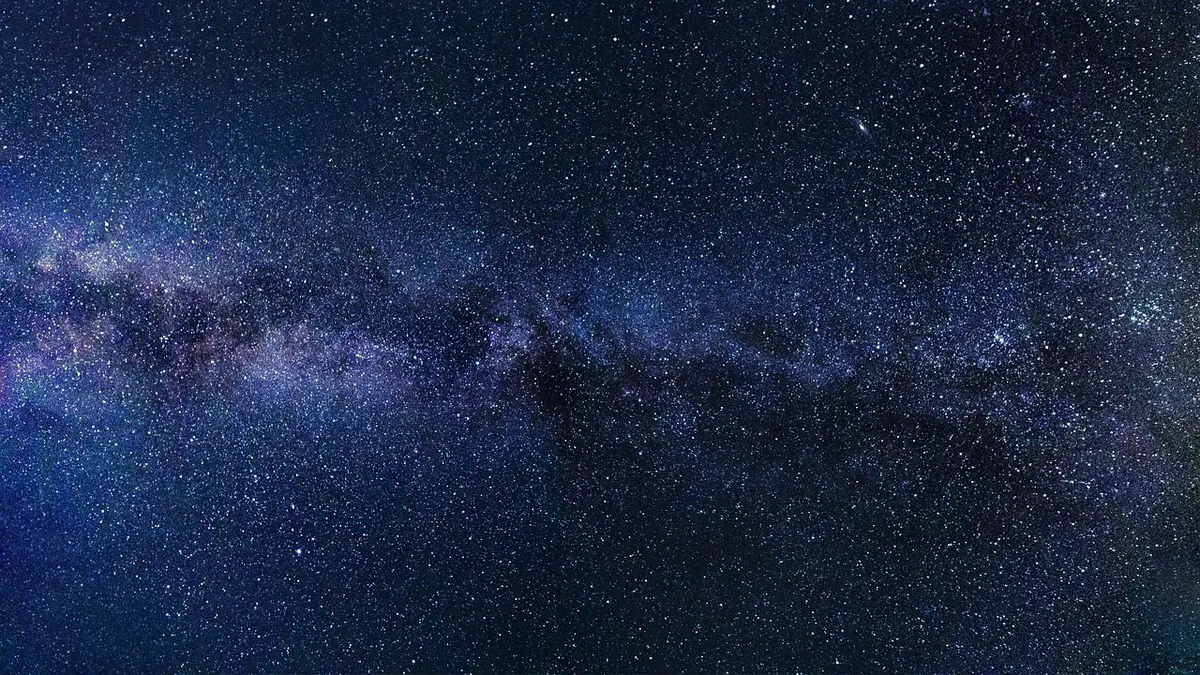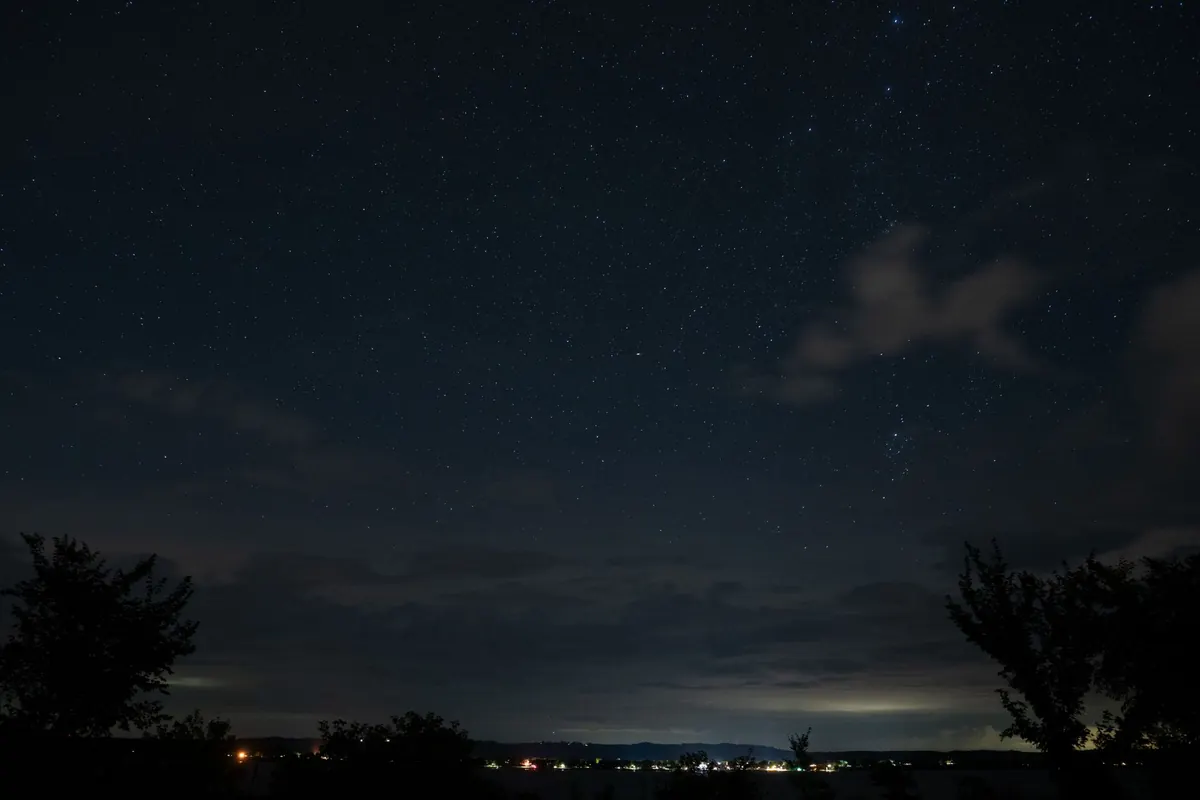
There is a moment on the road out of any Italian town when the orange wash behind you finally lets go and the sky starts to look like a sky again. For some of us that moment comes on the climb into the Apennines above Bologna; for others it is a gravel track in the Maremma, or a stubble field past the last streetlight of a village in the Langhe. Whichever road you take, the difference between a memorable night and a wasted drive usually comes down to twenty small things packed, checked and planned before the car leaves the driveway. What follows is the routine worth settling into for a dark-sky weekend: the night before, the packing, the arrival, the long hours in the dark, and the pack-out at dawn.
Choose the Night Before You Choose the Site
The moon decides more about your weekend than any map of light pollution. A first-quarter moon over a genuinely dark valley will still cut the Milky Way down to a suggestion, so either plan around a new moon or look up moonrise and moonset and treat the moonlit hours as time for planets, doubles and the brighter clusters. Then look at the weather with a sceptic's eye: forecast apps are better at cloud than at the things that ruin an Italian night, such as fog pooling in the Po plain, humidity rising off a lake after midnight, or mist forming in a valley bottom by two in the morning.
Altitude is your friend. A site at 900 metres in the Apennines, even a modest one, usually sits above the worst haze and the ground-level lights of the valley, and the drier air up there helps transparency as well. Scouting matters more than any light-pollution map: drive out once in daylight, confirm you can park, check that the ground is flat and firm, look at where the horizon opens up, and find out whether the field belongs to someone. Many promising sites in Italy sit inside a protected area, on private farmland, or behind a gate that closes at dusk, and the polite question asked a week in advance is what keeps sites available to the rest of us.
What Goes in the Optics Case
Build the case around the telescope you will actually use, not the one you might one day buy. If the weekend is about wide-field binoculars, say so and travel light; if it is a serious deep-sky session, let the mount be the centre of the packing. Whatever the instrument, these are the things that get forgotten most often.
- Telescope or binoculars, mount, tripod, counterweights, spreader, and every Allen key and spare bolt the mount has ever needed.
- A small eyepiece set rather than the whole collection — two or three focal lengths, a Barlow, a nebular filter, a moon filter if the moon is up.
- Finder, star atlas or printed charts, red torch with adjustable brightness, spare batteries for everything.
- Collimation tools if you use a Newtonian, and a lens cloth plus dust caps in a zip bag.
- Laptop or tablet only if the session needs it, charged, with cables and a spare memory card.
- A folding table. Balancing an eyepiece case on a car bonnet in the dark gets old quickly.
Power, Dew and the Cold Hours
Cold halves the useful capacity of ordinary batteries, and a mount that tracks happily at 8 p.m. can start slewing erratically at 2 a.m. Keep spare cells in an inside coat pocket, not in the case, and carry a power bank and cable sized for the whole night with a margin. Gaffer tape, a spare fuse and a small multi-tool solve most of the failures that actually happen.
Dew is the quiet saboteur of Italian nights, especially near rivers, lakes and low meadows. A dew shield costs little and buys a lot of time; a heated strip and controller buys more. Silica packets in the eyepiece case are cheap insurance, and chemical hand warmers tucked near the finder or the eyepiece tray keep both the optics and your fingers working. If the session runs long, cover the telescope with a light sheet during breaks rather than letting moisture settle on the corrector plate.
Dress for the Temperature at 3 a.m.
Standing still in damp air is far colder than the thermometer suggests. Layers beat one thick coat: a thermal base, a fleece, a windproof shell that also sheds dew, thick-soled boots, two pairs of socks, a hat that covers the ears, and thin liner gloves under mittens so you can still handle small screws. Bring a thermos, water, and food that needs no cooking. Alcohol is a poor companion for a long night outdoors — it blunts judgement about the cold while making it feel less severe.
Add a folding chair low enough to sit at the eyepiece, a mat for kneeling beside the tripod, insect repellent for summer, and a clear plan for the toilet, because the nearest services may be several kilometres back down the road. A red headlamp with a low setting and a spare battery is not optional; the white light on a phone screen will undo twenty minutes of dark adaptation every time you glance at it.
Arrival, Setup and the First Hour
Arriving before sunset is the single most useful habit you can build. Everything is easier in twilight: parking, levelling, finding the one bolt that fell in the grass.
- Park so your headlights will not sweep the field when you leave or when a latecomer arrives, and leave the access track clear.
- Set up on firm, level ground, with the tripod legs marked or taped so you can reset the same spot after a break.
- Let the optics cool. A Newtonian mirror can take half an hour or more to settle, so uncap the telescope early and use the waiting time for a collimation check and aligning the finder while there is still light.
- Polar align or run the star alignment in twilight, before the sky fills with faint stars that make the process harder.
- Eat and sort your kit while it is still bright. After that, everything in your hands should be handled by feel.
- Give your eyes twenty to thirty minutes of darkness before judging the sky, and keep a simple log — object, time, eyepiece, and a word on conditions. You will want it next time.
While the telescope cools, plan the session properly: pick a dozen targets, note their order across the sky, and start with the objects that set earliest. Binoculars are the best way to spend that half hour.
Access, Safety and Local Etiquette
Tell someone where you are going and when you expect to be back, and download offline maps, because mobile coverage in the hills is patchy at best. Drive slowly on unlit country roads; deer and wild boar are real hazards after dark, and so are cyclists and farm vehicles on the narrower stretches. In autumn, hunting is permitted in many parts of Italy, so check the local situation before you wander into woods or along field edges at night, wear something visible if you walk away from the car, and avoid areas where hunting is active. If you have a heart condition or take medication that makes cold and fatigue a concern, talk to your doctor before planning a night that starts at sunset and ends at dawn, and take sensible precautions either way.
Close gates you opened, never block a farm entrance or a fire track, and take everything out with you — including tape, cable ties and the corner of a star chart that blew away. If you are staying at an agriturismo or a mountain refuge, mention what you are doing: owners who understand why a stranger is standing in their field at 4 a.m. tend to keep welcoming astronomers.
The Morning After
The best checklist is the one you rewrite after every trip.
Pack out in daylight if you can, and count the caps before the car moves. Let cold optics warm up slowly inside their cases instead of wiping condensation off the lens with a cloth — a cloth used on a dewed objective is how coatings get scratched. Dry everything at home, recharge every battery, clean the eyepieces, and write the one thing you forgot into the top of the case. Do that three weekends running and the list stops being a list, which is exactly when it starts working.
Photo: Tom Fisk / Pexels